
Search

Trees, both in the forest and in the city, play an important role in the hydrological cycle by reducing the risk of flooding. The retention of vegetation is able to effectively support not only soil retention, but also ground retention. This is because diverse vegetation simultaneously absorbs and stores moisture, actively participating in the infiltration process. Furthermore, it is largely responsible for avoiding soil erosion by slowing down surface runoff.

Ecological function of the forest

Rainwater retention – by means of the properties of the forest soil – has a positive effect on runoff. This is due in large part to the topsoil, which is protected by undergrowth, mulch, underbrush and, above all, tree crowns. This allows most of the rainwater to soak into the soil and then drain off very slowly. Thanks to the presence of highly absorbent organic soils, rainwater is still “looked after” for some time by the forest vegetation, especially trees.

Forests are responsible for the natural regulation of water relations, acting over vast areas to reduce the risk of flooding. Thus they have a great influence on agricultural crops and even on the water supply of cities, settlements and industrial facilities.

Natural retention reservoir

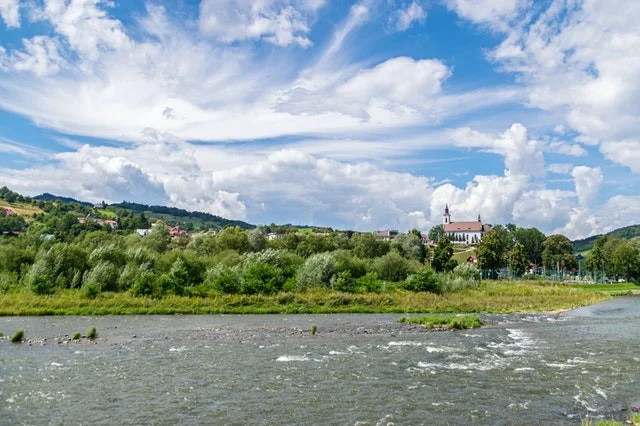
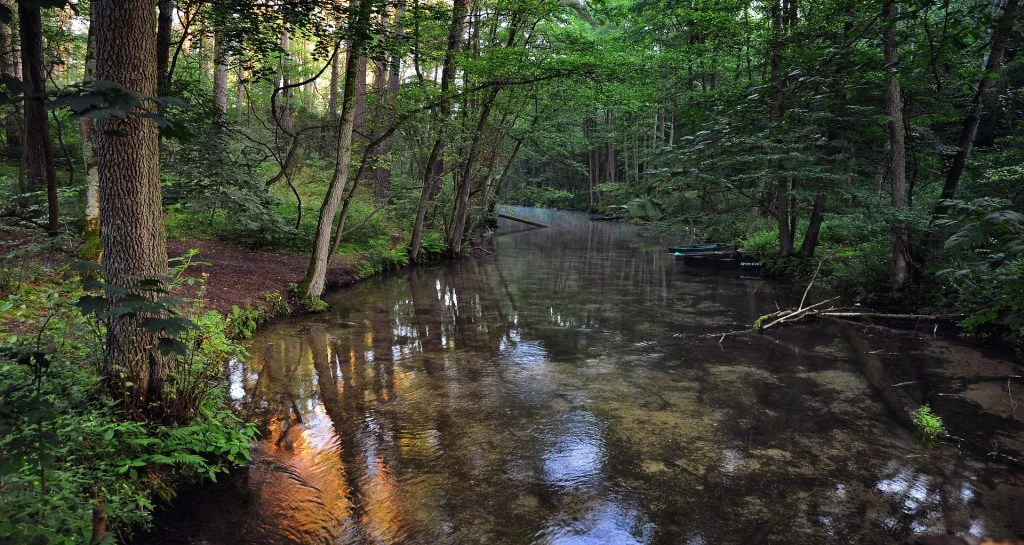
Forests, like peat bogs and soil, act as natural retention reservoirs, effectively protecting against floods which can cause huge damage. This is why it is so important to take care of vegetation that is able to collect and retain water. In the event of drought, the forest gives back the stored water, regenerating itself. At the same time, it is in charge of the rivers, guaranteeing biological flow. As a result, it is possible to obtain water for the industrial and agricultural purposes.
Fot. by Pixabay

Natural retention reservoirs are maintained by the State Forests staff, who additionally choose to enhance retention by reconstructing existing natural retention capacities. This is necessary so that rainwater does not run off too quickly. This applies especially to mountain forests, as their natural retention capacities allow the regulation of water resources in river basins. Deforestation of these areas and consequent soil erosion or soil drought must therefore be prevented.

Look after the urban vegetation!

Apart from the obvious aesthetic reasons, trees have a very practical function – they lower the temperature, create cool, shady places for protection from the sun, and absorb many pollutants such as NO, PM, SO2, O3 and greenhouse gases, including CO2. The leaves of trees act as filters: through a process of gas exchange, they absorb the air together with dust and chemical compounds, and they do so extremely effectively: dust in urban spaces can be reduced by up to 75%! Trees produce vital oxygen and contribute to reducing greenhouse gases.
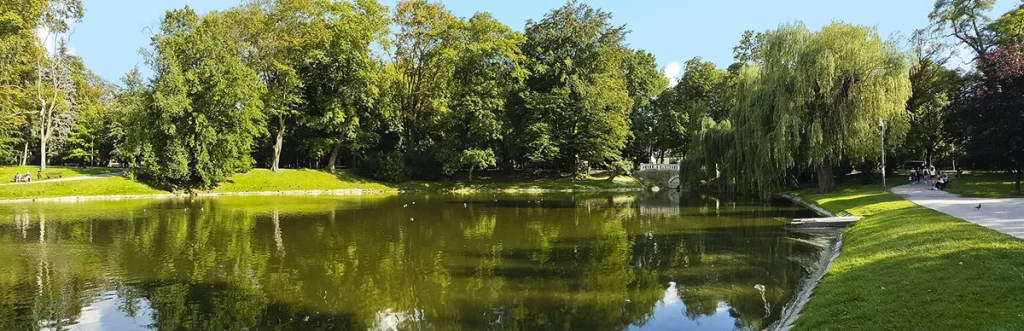
Fot. by Pixabay

However, the most important – and most difficult – task is to retain water, increase retention and prevent the soil from drying out. If we do not take care of the drainage system, there is a risk of sewage failure and periodic flooding. In urban conditions, all vegetation has a beneficial effect on retention phenomena. Unfortunately, as a result of accelerated surface run-off and lowered groundwater table, maintaining green areas and parks in the city is becoming increasingly difficult and expensive. If nothing is done, trees dry out and green areas in cities gradually disappear as a result of these phenomena and urbanisation. Trees are cut down and replaced by shopping centres or supermarkets, which, without ensuring retention, is an example of anthropopression, i.e. the negative impact of human activity on the natural environment.
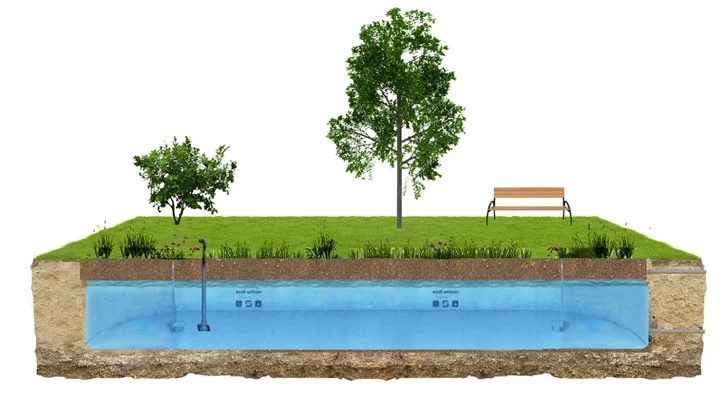
An important element for the maintenance of green areas in cities may be the use of rainwater and snowmelt collected in multi-functional tanks for the alimentation of green areas, implemented in a cyclic “smart way”. The city should become like a sponge – naturally absorbing rainwater the moment it appears and giving it back later for various purposes for the benefit of vegetation and people.

HYDROZONE retention tanks are one of these smart solutions that are ideal for use in tight urban environments thanks to their compact, modular design. The use of pre-treatment systems offers a wide range of possibilities not only for retention, but also for the use of the stored water. This has a significant impact on stopping urban drying out, i.e. reducing surface water run-off in order to protect and restore water resources.
When it rains, residues of fuels and other environmentally hazardous petroleum substances run off with rainwater into surface waters (streams, rivers, lakes) and can pollute them. Separators are used to prevent this from happening. By using separators, hydrocarbons are removed from water and stored, which helps to ensure that our activities are environmentally friendly.

Separator – a legal requirement?

Treatment rainwater from oil-based substances is a legal requirement, as stated in the Regulation of the Minister of Maritime Affairs and Inland Navigation of 12 July 2019. (Journal of Laws 2019, item 1311) on substances particularly harmful to the aquatic environment and conditions to be met when discharging wastewater into waters or into the ground, and when discharging rainwater or snowmelt into waters or into water facilities: § 17. 1. According to the regulations, rainwater must be treated to remove oil-based substances if the concentration of these substances is higher than 15 mg/l.

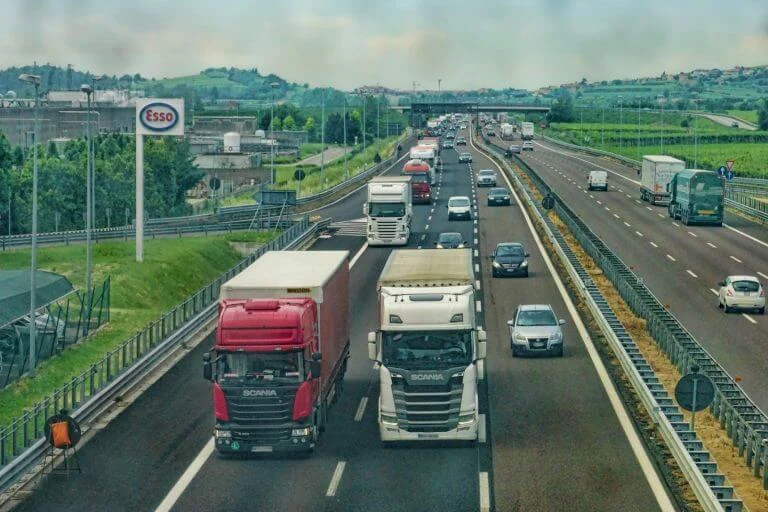
Such substances and harmful suspensions run off from large paved surfaces, on roads, motorways, car parks, petrol stations, car washes, bus depots, industrial plants, railway areas – wherever there are even small oil spills from internal combustion engines or diesel-powered machines.

Treating rainwater to remove oil-based substances is a legal requirement

Two technologies to choose from

Ecol-Unicon, and other companies in the market, offer two technologies that have found their application in oil separators. These are lamella technology, used in the ESL-Z separator and the coalescence technology, used in the ESK separator. Both solutions guarantee high efficiency and both can be installed in traffic zones as well as in green areas.

They are easy to install and operate. Separators can be hooked up to a sampling device. For full water protection separator should be complemented by a settling tank. We also offer devices combined in one chamber, i.e. a separator integrated with a settling tank.

When to choose a lamella separator?

Lamella separators enable rainwater treatment in larger catchment areas.  They are recommended for use at the outlets of urban rainwater collectors, in large car parks, to protect surface waters at industrial plants, logistics centres, airports. They are also suitable for draining rainwater from motorways and roads with heavy traffic. They are designed in such a way as to be able to treat water with flows greater than nominal, and this is their greatest advantage.

The pretreatment efficiency is 5 mg/m3 for the nominal flow rate, and it decreases as the flow rate increases, but water treatment still takes place.  This is extremely important when dealing with large and very large surfaces from which rainwater flows. The use of lamella separators is then the only effective solution.

Lamella separators are suitable, among others, in the proximity of roads with heavy traffic

Their design allows separation and retention of both oil-derived substances and mineral suspended solids (sands, slurries) contained in rainwater and snowmelt runoff from any type of catchment area.

Lamella separators are recommended for large catchments where more or less rainwater may flow at different times, i.e. where there is a varied load of flow and different loads of oil and suspended solids.

When to choose a coalescence separator?

Coalescence separators provide rainwater treatment only for the nominal flow. The parameters of the device should be selected so that the nominal capacity of the separator is greater than the maximum flow of rainwater entering the device.

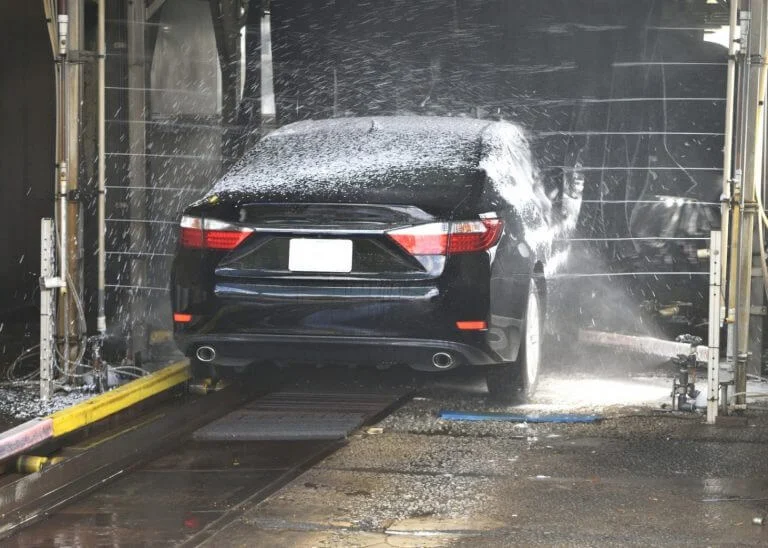
Coalescence separators are recommended for smaller catchments and catchments where pollutants are present in low concentrations, so they are suitable for garages and car washes, petrol stations, transport depots, smaller industrial plants, medium and small car parks, drainage of water from bridges and road overpasses.

Coalescence separators are a good solution for smaller catchment areas, such as garages and car washes

What to consider when choosing a separator?

In summary, when choosing the right type of separator, special consideration should be given to:

  • the size of the area from which rainwater run-off occurs, which influences the volume of rainwater run-off,
  • amount of suspended solids contained in rainwater,
  • operation of the device during storm flow,
  • the degree of protection of surface water into which rainwater flows – whether it is a protected zone, whether the body of water is enclosed, what the current velocity is and how long it takes for the river or stream to clean itself

Proflieration of concrete is affecting more and more Polish cities, and replacing green areas with concrete slabs is a common phenomenon. This not only drastically changes the landscape, but is also a real danger to residents – if only because of the constantly rising temperatures. So let’s take a look at a few Polish cities where concretitis is at a particularly high level.

Skierniewice facing the threat of water shortage

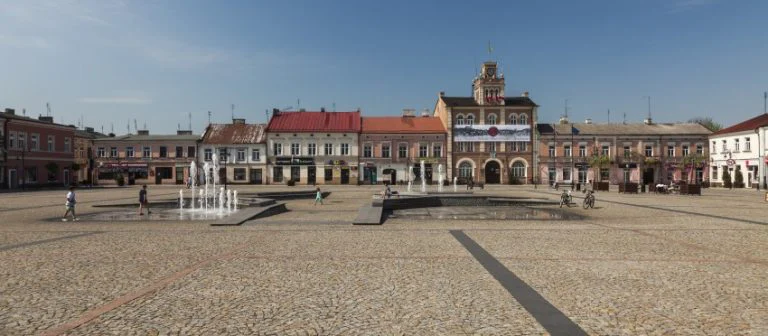
Skierniewice is a flagship example of concretitis. In the 1970s it was a city full of greenery, trees and flowers. In 2005-2006, however, the Skierniewice market square underwent a total metamorphosis – it was deprived of vegetation and replaced with “modern” concrete slabs.

Skierniewice market square devoid of greenery

The effects of the change have been disastrous. Through overheating of the slabs and the lack of the natural tree cover, the perceived temperature has risen dramatically. Moreover, during summer months the city faces the threat of water shortage. However, Skierniewice authorities have decided to take a step towards improving the situation and restoring green areas. The city will take part in the project “De-concretised”. Based on a survey conducted among residents on what should be changed in the city, green areas, relaxation spots as well as sun and rain shelters will be created in the market square.

Włocławek with the costly removal of greenery

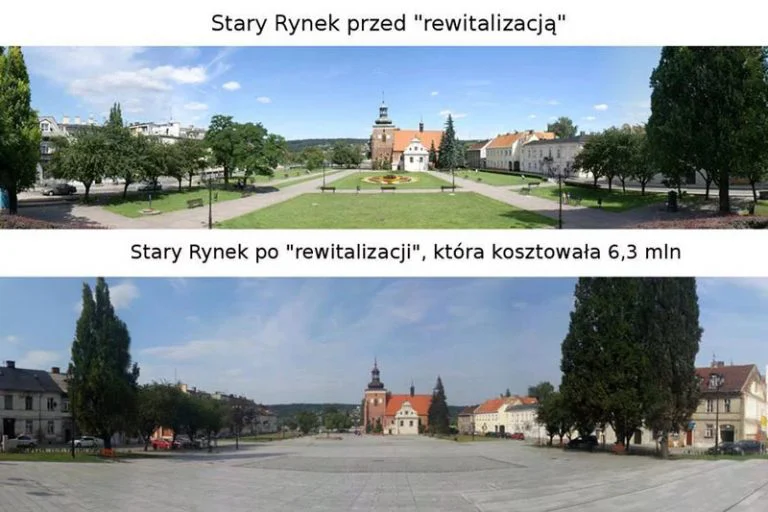
The once green Włocławek was “revitalised” in 2014 in a rather peculiar way. The change consisted mainly of removing green areas and replacing them with large-format concrete slabs. Residents even hailed the market as a “concrete desert”. However, the most controversial was the fact that as much as PLN 6.3 million was paid for getting rid of trees, grass and hedges.

Changes in the Old Market Square in Włocławek / fot. Sławomir Bieńkowski

Over time, the authorities of Włocławek have also concluded that there is not enough vegetation in the city. Although an attempt has been made to change this, there will be significantly fewer green areas than before the revitalisation. The amount of money that can be allocated for this purpose is also much lower (about 600 thousand zlotys). Another problem is that the city only owns 5% of all real estate in the city centre, which limits the possibility to carry out major changes.

Krzeszowice hot as a pan

Krzeszowice became infamous recently for an event carried out by 19-year-old Kacper Ropek. Observing the aggravating problem of rising temperatures, he decided to test the heat level in practice. On a sunny day Kacper went to the paved market square in Krzeszowice with a frying pan and eggs. What was the result? Without any additional heat source, using only the heating concrete slabs, he cooked scrambled eggs in 80 minutes.

Kacper’s experiment shows just how great a danger the paved areas can be. Overheating slabs not only cause discomfort, but can also have a negative impact on health. Residents are also aware of the problem and have prepared a petition to restore green areas in public spaces. The problem, however, is the lack of funds for this purpose.

The modern, concrete Poznań

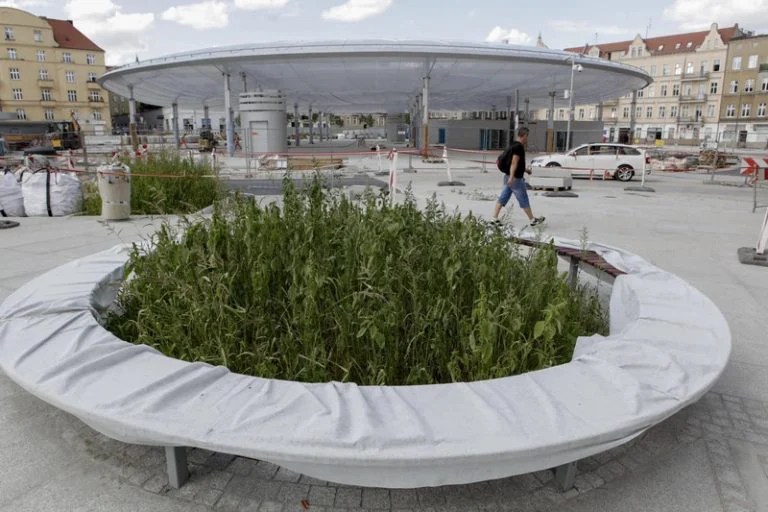
Poznan has also followed the example of many Polish concrete cities. The authorities undertook the renovation of Rynek Łazarski (costing almost 43 million PLN), which consisted in introducing modern blocks and an aesthetic, consistent finish. Unfortunately, the authorities of Poznań forgot about vegetation, replacing almost all trees and bushes with stone and concrete.

According to those in charge of the project, the trees were cut down to make way for new water supply and sewage networks. They also wanted to increase the capacity of the roads and widen the pavements. However, apart from small pots, there was not enough free space for plants.

The only vegetation present in the Łazarski Square / fot. Piotr Skórnicki, Agencja Gazeta

And it does not have to be like that at all! One of our projects – the Hydrozone Benefit retention tank along with stormwater drainage in Międzywodzie – shows that the construction of new water facilities does not have to bring negative consequences for green areas. What is more, the adopted infrastructure actually supports the plants – e.g. through the implementation of pre-treatment systems thanks to which water can be successfully reused for watering. The project is supervised by the Bumerang SMART system, which allows for monitoring and management of the entire facility.

Łódź and its rain problems

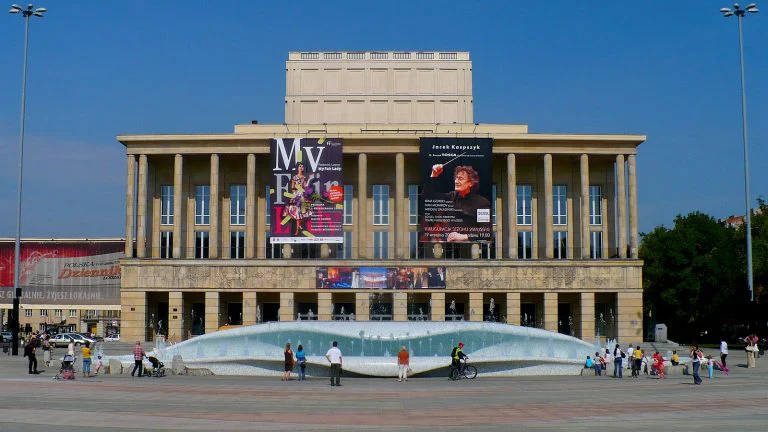
Large quantities of concrete are also taking their toll in Łódź. A side effect of removing some of the green areas in Łódź is not only an increase in temperatures, but also frequent flooding of the streets. Despite strenuous efforts and modernisation of sewage systems, heavier rainfalls often turn the roads into rivers.

Dąbrowski Square in Łódź covered in concrete

However, the Łódź authorities are trying to combat concretitis by introducing more vegetation in public spaces. One of the latest projects is the complete reconstruction of the Wolności Square so that it features more trees, lawn and bushes. The so-called rain gardens and systems for self-sufficient retention will also be created.

The problem of concretitis in the Polish cities is unfortunately still a widespread phenomenon. Apart from the five cities mentioned above, in many other parts of our country we see situations where stone, cobblestone and concrete cover areas much larger than green spaces. It is good that some of the cities are slowly reflecting and are trying to restore vegetation in the urban landscape. However, the path towards green balance is still long and, nomen omen, paved with many problems…

Rainwater and responsible water management in cities is not only a way to deal with increasingly scarce water resources and an antidote to torrential downpours and flooding. It is also a way to increase the comfort of residents and a key to improving quality of life in cities. Today, we would like to present you with 3 inspiring examples from around the world that should be a signpost for local authorities everywhere.

Why use rainwater?

The world is urbanising at an unprecedented rate. By 2050, the UN estimates that nearly 70% of the world’s population will live in urban areas. While urbanisation has brought us significant benefits, it has also had a detrimental impact on the ecosystem.

This is why modern agglomerations are more and more boldly turning to unusual solutions in the field of rainwater harvesting and transforming concrete deserts into green oases. And all this so that the inhabitants can not only live and work, but also relax in comfortable conditions.

Forest town of Tengah in Singapore

The world leader in urban greening is undoubtedly Singapore. Designers here are increasingly turning to so-called nature-based solutions that effectively mitigate the negative effects of climate change.

A huge futuristic housing project, dubbed by urban planners “Forest Town”, is being built in Tengah, located in the country’s western region and covering an area of 700 hectares. The project’s designers are working on the concept of a smart, sustainable metropolis.

The first housing development to be built within Forest Town was the Plantation District, surrounded by the multi-level Forest Fringe oasis. The district uses, among other things, an urban water harvesting system that aggregates rainwater for irrigation. An automated waste elimination system is also in operation here, which uses high velocity generated by air suction to transport household waste.
In addition to the Plantation District, other unique residential neighbourhoods such as Park, Garden, Brickland and Forest Hill are being developed in parallel.

Willow School in New Jersey

This unique school is located on a 34-hectare plot of land near the centre of Gladstone. The proximity of countryside, beautiful meadows and butterfly gardens are only a part of this unusual project, which aims not only at traditional teaching, but also at shaping a responsible and pro-ecological attitude in the youngest children.

Rainwater is used here, among other things, for flushing toilets and maintaining the surrounding planting, and waste is treated in the most environmentally friendly way possible. Sixty thousand types of grass and perennials have been planted on the school grounds, partly to reduce water consumption, but also to reduce the need to mow and fertilise the area.

Rainwater is collected in a large underground storage tank and then purified and stored in a 2274-litre tank in the basement. After purification, the water is further treated with ozone, so that it looks like pure drinking water. Another tanker with a capacity of 189,500 litres was installed in the new arts building. The school’s water system is constantly monitored, so students can keep track of how much water is actually reused. This state-of-the-art facility is an active learning centre where sustainability is a key element in the children’s relationship with the world of nature.

Green roofs at O’Hare Airport

Chicago’s O’Hare Airport is one of the largest of its kind in the world, with nearly 80 million passengers a year. It is a huge area with impermeable surfaces, which not only increases the energy consumption for air conditioning of airport buildings, but also raises the temperature and increases the so-called urban heat island effect.

The Chicago Department of Aviation therefore decided to create a green roof system and planted vegetation on 12 airport facilities, including the light control centre, car parks, car rental spaces and even the air traffic control tower, a first of its kind in the world.

The design makes it possible to retain 70-90% of rainwater in summer and 25-40% in winter. Vegetation on the roofs also improves thermal insulation, thus reducing heating costs in winter and cooling costs in summer. In addition, vegetation on the roofs absorbs sound waves produced by the aeroplanes. Just a 2.5 cm layer of vegetation on the roof can reduce the noise level entering the building by around 40 decibels!
The project is part of a new vision for the entire city, in which green roofs will be used on a much larger scale. We would also like to encourage such an approach to Polish local governments, declaring at the same time our full readiness to support them in their pro-ecological activities 🙂

Rainwater and process wastewater may contain oil-derived substances (such as oils, petrol or grease), which pose a serious threat to the environment. However, there is a way to significantly reduce the risk of such problems occurring – the use of oil separators. These are devices that separate mineral suspended solids and oil-derived substances before the water enters the reservoir or sewage system.

Oil separators and how they work

Oil separators, or otherwise known as hydrocarbon separators, are used for treating rainwater and process wastewater. They are used for separating and storing accumulated and separated light liquids with a density no greater than 0.95 g/cm3.

Devices of this type take advantage of difference in density of hydrocarbons in relation to water. Hydrocarbons accumulate on the surface of wastewater, increase their volume and form a suspension which is then filtered out. Depending on the size of the catchment area and the type of facility, sedimentation, flotation or coalescence is used to achieve this purpose.

When choosing a particular model of oil separator, it is worth taking into account not only its features and specifics of operation, but also its suitability for the current needs. Selecting a device which ensures efficient filtration is a guarantee of adequate water treatment.

Coalescence separators – what are they and how do they work?

Coalescence separators are free-standing flow-through or in-soil devices for separating and storing light liquids or oils from wastewater. To increase efficiency, unlike conventional oil/water separators, they are additionally equipped with a coalescing insert.

Separators of this type isolate oil-derived pollutants in the separation part due to the gravitational phenomenon, further assisted by the coalescence phenomenon. As a result of sedimentation, suspension is settled and then filtered.

Larger oil particles float upwards thanks to the floatation phenomenon, and those that have been broken down several times by adsorption are deposited on the surface of the coalescing filter, combined into larger particles, and then float to the surface.

The treated water flows out of the separator through an outlet equipped with a float shut-off, which closes as soon as the accumulated oil substances overflow. This prevents contamination of the sewage system or the natural waters.

Coalescence separators are typically used for treating rainwater and snowmelt originating from roads, motorways, car parks, fuel distribution points, storage depots. They are also used for process water from car washes and garages.

Coalescence separators are used wherever there are lots of cars

Lamella separators instead of coalescence separators?

How do lamella separators, frequently used instead of coalescence separators, work? In this type of device, rainwater is directed to the first part of the device, which is an inlet chamber with a deflector. This calms the flow and directs the effluent stream to the filtration chamber.

Separation of pollutants takes place during the flow of contaminated water through the specially constructed lamella sections.

Inserts contained in lamella separators force a multi-stream flow, which results in a reduction of the wastewater flow velocity. Oil-derived substances are then separated using the flotation and sedimentation processes.

The treated wastewater is then directed to an outlet chamber fitted with a lid, which prevents the contents of the separation chamber from overflowing into it when the wastewater is backpressured into the unit.

Oil separators with lamella insert can be used to treat rainwater run-off from industrial areas, municipal catchment areas, roads, car parks, forecourts and other paved areas.

What is the role of settling tanks?

Settling tanks are devices for treating wastewater of easily settling suspended solids with a density greater than 1 kg/dm3, which can provide further assistance for the operation of oil separators.

They work by releasing suspended solids when the flow is slowed down, which is achieved by increasing the surface area per unit of wastewater received.

Depending on the type of catchment area and the required level of wastewater treatment, two types of settling tanks are used: horizontal or vortex ones.

How do horizontal settling tanks work?

Horizontal settling tanks use the phenomenon of sedimentation for retaining suspended particles and solids. The efficiency of the device is additionally increased by the installed deflector.

How do vortex settling tanks work?

Vortex settling tanks are most often installed in urbanised areas, where it is recommended to use devices with high suspended solids removal efficiency and a small footprint.

This type of device uses centrifugal force, which aids the separation of fine suspended particles and improves the efficiency of separation at high hydraulic loads.

Additional support, as in the case of a horizontal settling tank, is provided by a deflector which ensures better distribution of wastewater over the surface of the device and reduces the so-called dead zones. Ecol-Unicon offers both single- and double-chamber devices of this type.

The full range of oil separators and the associated settling tanks can naturally be obtained from Ecol-Unicon!

With the growth of cities and industry, more and more pollutants have started to find their way into Polish waters. What is more, the problem of poor water quality, due to ongoing climate change, will only get worse. The situation is exacerbated by leaking septic tanks, irrational fertilisation, growing tourism and, above all, the lack of a long-term vision for water management in Poland.

Water is the basis for the functioning of Poland’s ecosystems and the country’s entire economy. It is also a source of serious social concern. On one hand we fear prolonged periods of drought and serious water shortages, and on the other we fear violent phenomena such as storms or flooding.

According to the report “Water resources in Poland – protection and utilisation” commissioned by the “Przyjazny Kraj” (Friendly Country) Foundation, it is not the lack of water, or its availability, that is a problem in Poland but mainly its quality[1]. This is because we have at our disposal resources which are typical for our climatic zone, and the existing water shortages are rather of a local or temporary nature

What is the quality of water in Poland?

Water is contaminated when it contains an increased amount of chemicals, bacteria and micro-organisms which are not natural components (and simultaneously have a negative impact on water properties).

According to the report, poor condition of Polish waters concerns 91.5% of river resources, around 88% of lakes and nearly 100% of transitional and coastal surface waters. Waters are polluted primarily with benzo(a)pyrene, as well as with fertilising substances such as nitrogen and phosphorus.

Most rivers and lakes in Poland are polluted

Where are the greatest risks?

It turns out that it is no longer cities and industry that pose the biggest problem for Polish waters. The improvement in this area is the result of numerous investments in environmental infrastructure and major legal changes. As a result, over 95% of city dwellers currently benefit from sewage treatment plants.

Unfortunately, the situation is much worse in rural areas. Only just over 44% of rural residents treat their wastewater. It is not only fertilisers that are a problem here, but also leaking domestic septic tanks. In addition, progressive eutrophication, followed by the formation of oxygen deserts in which life is dying, is becoming an extremely serious threat. Agriculture is the sector which most seriously threatens the quality of Polish groundwater and surface waters.

Growing tourism is also a serious problem, affecting the development of coastal and lakeside areas. Holiday homes, recreation centres and private cottages are springing up like mushrooms, resulting in more and more municipal and industrial pollution.

What is eutrophication?

Eutrophication, or ‘water bloom’, refers to overfertilisation of aquatic environments caused by excessive amounts of nitrogen and phosphorus compounds. Dead algae sink to the bottom of the tank and decompose, which is accompanied by increased oxygen consumption. Anaerobic bacteria are formed as a result, and as they decompose they emit pollutants – harmful hydrogen sulphide.

Eutrophication is favoured by the regulation of rivers and the decline in their self-purification capacity. This phenomenon, however, mainly affects the still waters of the Baltic Sea and the Great Mazurian Lakes.

The dead zones constitute about 17% of the seabed area, while nearly 30% are oxygen-deficient zones. More than 50% of sea bathing sites are temporarily closed due to blue-green algae. These problems are exacerbated by increasingly severe climate change leading to rising water temperatures.

The effect of agriculture on the pollution of Polish waters

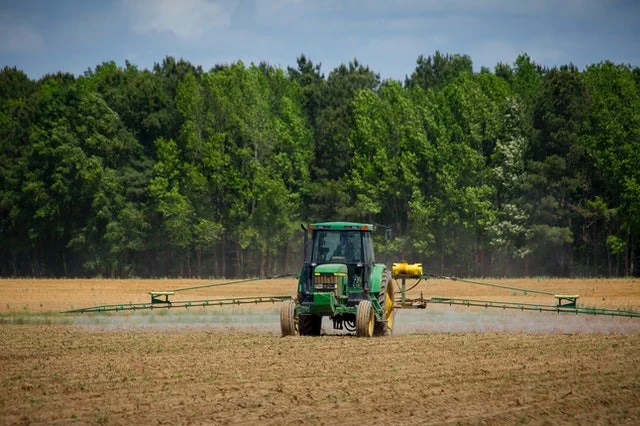
Agriculture in turn affects both the quantity and quality of water available in Poland. As much as 50% of nutrients flowing into the sea and lakes come from this sector of economy. The most important sources are fertilisers and pesticides as well as animal faeces.

Excessive use of fertilisers by farmers (inadequate for plant needs), as well as fertilisation at inappropriate times, result in the transmission of nitrogen and phosphorus compounds to surface waters.

Simultaneously, as forecasts show, agricultural production will continue to increase in the coming years, as a result of both population growth and increased meat consumption. It is therefore important to take action to protect the aquatic environment from the nitrates and phosphates present in manure and fertilisers.

Agriculture often has a negative impact on water quality

Harmful effects of mining

Water relations in Poland are also strongly affected by the mining industry. Lignite opencast mines in Bełchatów, Konin and Turów have created huge depression funnels, which contribute to lowering the water table. As a result, local water shortages and even lake drying up phenomena are becoming more frequent.

How to improve water quality in Poland?

The recommended strategic direction is renaturalization, which may bring significant benefits in terms of quality and quantity. It is the best and at the same time simple and inexpensive way to improve the quality of surface waters in Poland. To a large extent it is implemented through… abandonment of negative activities carried out so far.

Education and investment in the development of infrastructure for the collection of pollutants is also extremely important. Systematic and extended monitoring of water conditions may also be a strong incentive to change social awareness and to take active protective measures.

[1] http://przyjaznykraj.pl/wp-content/uploads/2021/06/Fundacja_Przyjazny_Kraj_Raport_Zasoby-wodne-w-Polsce_29062021.pdf

One of the biggest challenges of the still ongoing pandemic is the rapid identification of mutated, unknown variants of COVID-19. As it turns out, sewage can be helpful in monitoring the spread of the virus! Or rather, the information that can be read from it.

Biological content monitoring

Monitoring wastewater for biological content has been a common practice for many years. However, the coronavirus pandemic has increased the importance of this type of activity. Detailed analyses of wastewater are increasingly being carried out to identify the viruses and pathogens present.

Indeed, microbiologists have discovered that sewage surveillance can be successfully used to detect the presence of coronavirus. This is a way of tracking the development of individual variants of the virus. This also makes it possible to identify completely new outbreaks and discover previously unknown strains.

Currently, in some countries, wastewater monitoring is one of the main sources of information on pandemic progress. Despite the complexity of the VOC analysis process, more and more entities are taking an active part in wastewater testing. This is not surprising. This is because it makes it possible to determine the dynamics of the virus and the effectiveness of the vaccination carried out in particular areas.

Wastewater – a valuable source of information for identification of mutations?

Two distinct approaches are used in the wastewater surveillance process:

  • The first is based on procedures for sequencing the viral genome and searching for it in the analysed effluents.
  • The second is based on polymerase chain reaction (PCR) by identifying the presence and amount of coronavirus RNA.

And it is this second method that allows the identification of mutations and their characteristics. Each mutation is assigned a unique code, which allows the information acquired to be organised. A few individual drops of contaminated water are usually enough to acquire variant data. At the same time, the methods used are incredibly effective. It is estimated that by analysing the obtained fragments of the genome, even small mutations can be identified (with a contribution to all infections of less than 1%).

One drop of water can tell a lot of information!

Extending findings from tests

Analysis of biological fragments in wastewater provides data that were not possible to obtain with traditional coronavirus testing in patients.

An interesting experiment in this area was conducted in the Netherlands. Researchers compared around 1,000 clinical samples from patients with wastewater samples taken from the same locations.

Testing the contaminated water allowed for obtaining faster and more extensive data. Indeed, it turned out that the effluent sequences reveal mutations that were not recognised when clinical tests were performed. It is even speculated that these mutations may represent completely new, previously unknown variants of viruses – hence the lack of clear identification by traditional tests.

Such knowledge can be used successfully to prevent the spread of new mutations. Indeed, the data obtained from wastewater can provide an indication in the area of the direction of change and the potential risks involved. This is what happened in December 2020, when mutated variants were identified in wastewater. Just a few weeks later, it was these mutations that were seen in new variants of the virus.

Could the future be in wastewater?

Testing wastewater samples can determine the concentration of infected people in an area. Italian scientists even claim that the analysis of contaminated water can be an alternative to rapid screening tests. This is because it enables simultaneous analysis of data from a much larger number of people. And thus, the effectiveness of the carried out measures is higher.

Based on experience to date, Dutch Professor Medema recommends the development of technologies to monitor wastewater content. He sees a need to build a consortium including healthcare institutions, research institutes and water supply companies. Thanks to such cooperation, obtaining information on the course and development of virus transmission will be more efficient than ever.

Water makes up more than 70% of the surface of our planet. Unfortunately, fresh, drinkable water accounts for barely 3%, 70% of which is found in glaciers and snow, mainly in Antarctica. Meanwhile, Poland is one of the European countries with the least fresh water resources per capita. No wonder that the costs of supplying water to households are becoming an increasingly serious burden on local authority budgets and on the budgets of individual Polish families. Can we change this?

Why is water consumption increasing?

Water consumption is constantly increasing, and not just because of population growth. Our hygiene needs and overall consumption are also increasing. Water is needed to produce all the goods we use every day.

Meanwhile, we are buying more and more and getting rid of unwanted items or products faster and faster. Do you realise, for example, that it takes more than 17,000 litres of water to produce 1 kg of chocolate?

Excessive water consumption is also often due to our everyday small negligence within the household, such as a leaky tap, unnecessary running water when brushing teeth or washing dishes, or even an underloaded washing machine.

How to optimise water consumption?

Above all, by saving it and managing it rationally. “Appreciate water!” is the slogan for the last year’s World Water Day, reminding us what a priceless resource it is.

It turns out that we can significantly reduce our water consumption, especially drinking water, which is still being used for watering gardens, washing cars and other household sanitary purposes. How to reduce water costs? Smart retention and responsible rainwater management may be the solution.

Since joining the European Union, Poland has allocated over PLN 60 billion to construction and modernisation of water and sewage infrastructure. This is still not enough, however, and our environmental awareness leaves much to be desired…

Meanwhile, thanks to rainwater we can reduce consumption of tap water by up to a half, and thus significantly lower water costs and reduce the load on the sewage system. From a roof of 100 m2 we can collect up to 60 thousand litres of water per year!

Therefore, it is not surprising that both the Polish government and individual local authorities are increasingly willing to reach for various types of retention solutions and support them financially.

By collecting rainwater you can save thousands of litres of water a year!

What do water costs depend on?

Scale matters above all. Where the population density is higher, the price for water and sewage is relatively lower. It is assumed that it makes economic sense to build a sewerage network when there are more than 120 inhabitants per km of network. Therefore, as a rule, charges for water and sewage services are lower in large cities.

Often water and sewerage companies, especially in smaller towns and cities, have no competition, which allows them to exaggerate prices. If, at the same time, they do not try to reduce costs (which the competition forces them to do), prices for water and sewage can be really high there.

The cost of water in a city is also influenced by local geological conditions, financial means of the local authorities or, finally, economic potential of the community.

The last but extremely important element is the existing infrastructure and network efficiency, i.e. the level of expenses related to carrying out current repairs or removing failures. It also includes the often enormous losses of water and penalties associated with environmental pollution.

Who sets water tariffs?

Rates for water and sewage disposal are set by water and sewage companies. Price proposals are then submitted in a tariff application to the State Water Management Company Wody Polskie.

It is it that since 1 January 2018, based on the amendment of the Act of 20 July 2017 Water Law[1] and the Act of 7 June 2001 on collective water supply and collective sewage disposal [2], it verifies the validity of proposed charges, which is supposed to protect citizens from unjustified price increases. If PGW Wody Polskie considers the water tariffs to be too high, they may reject the application.

Optimising urban water costs

A water and sewage company, like any company operating in the market, should have competition to offer its product at the lowest possible price. This is because it is then motivated to seek savings in production and operations. As a result, it effectively optimises its own costs.

So, how do you optimise water costs? The basis is a well thought-out strategy and consistent implementation of modern and responsible investments or modernisation of existing networks, which will reduce water consumption and improve its efficient use.

Such measures make it possible not only to reduce water consumption costs, but also to improve the quality of wastewater treatment and its processing. They are also necessary to ensure that the network will serve us for many years to come and that the price for the water supplied and sewage discharged will be socially acceptable.

Modern, more efficient and, above all, ecologically safe water and sewage networks based on modular systems of retention tanks, equipped with separators, pumping stations, dry-well pumping stations and other solutions for wastewater treatment or rainwater pre-treatment is certainly a major investment. In the long term, however, it can bring about a really significant reduction in the daily operating costs of such facilities.

What is smart retention about?

Smart retention is not only a modern solution for urban water and sewage networks, but also a way to manage and monitor them. Monitoring systems and remote control of devices installed in sewerage networks are slowly becoming a standard.

They contribute to an increased level of flood protection, enable better management of rainwater retention and use, efficiently manage the operation of the entire network, increase environmental safety, and ultimately significantly reduce costs.

One such system is the Bumerang SMART, which is an integral part of Ecol-Unicon’s range of water protection devices.

This state-of-the-art solution makes it possible to control (via the GSM network) the operation of individual devices in real time. If necessary, it also enables an immediate response to any undesirable events from any location – using mobile devices such as a laptop, tablet or phone.

All data, statuses and device states return to users like a boomerang and are made available to them from a web browser, along with the ability to remotely control individual components.

Thus, smart retention management systems represent the future of water cost optimisation in cities. As these solutions are both environmentally friendly and cost-effective, they are becoming increasingly popular with municipal authorities. An example is the investment in the Budziwój housing estate in Rzeszów.

[1] tekst jednolity Dz. U. z 2017 r., poz. 1566 z późn. zm.
[2] tekst jednolity Dz. U. z 2019 r., poz. 1437

New technologies are applied in more and more areas of everyday life. However, as Ecol-Unicon’s CCO, Grzegorz Boguś, argued during the 2021 Stormwater Poland conference, implementation of modern solutions in the water management sector is particularly beneficial to both people and the natural environment. We decided to collect the most important conclusions from his presentation! 

Water, the most precious resource on earth

When people think of resources, they immediately picture energy, chemicals and minerals. However, a very underestimated resource is water, whose importance for each of us is absolutely indisputable. So it is worth considering what can be done to make the most of its potential.

This is where new technologies come in. With access to devices that monitor flows or precipitation, we are able to adjust the operation of devices used in the water cycle. Combine this with the ability to report any emergent failures or malfunctions and you have a comprehensive approach to managing the water ecosystem.

Water is the earth’s most precious and often underestimated resource

How to do smart water management in urban areas?

Swiss scientist Robert Horbaty once created a definition of a truly smart city. It is a place that offers its inhabitants the maximum quality of life while using the minimum amount of resources – thanks to the right combination of infrastructural systems. So it is not only important to manage resources efficiently. It is essential to maintain balance and minimum impact on the environment.

How to manage rainwater?

One of the biggest challenges is rainwater management. In the process of sustainable yet efficient retention management 6 steps can be identified:

  • Knowledge of how much rainfall occurs in a given city, for which we can use e.g. the PANDa system precipitation model,
  • Water management including information on how water falls and runs off,
  • Taking stock of the capacity of retention facilities and reacting quickly to changes,
  • Forecasting the weather and upcoming precipitation,
  • Collection of precipitation data by means of rain gauges,
  • Smart rainwater management using ICT systems, e.g. Bumerang SMART.

Bumerang SMART at the pinnacle of smart retention

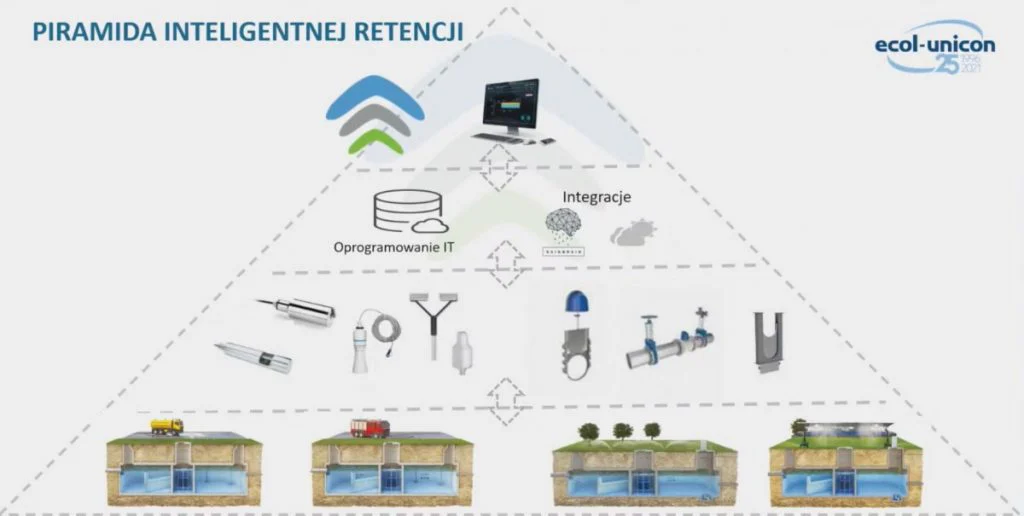
Creating a pyramid of smart rainwater retention, at the base we can find all the objects that accumulate rain. Higher up are the devices that allow measurements (for example, rain gauges and probes) and the software that collects data, analyses changes and predicts what will happen in the near future.

At the top are the devices and systems that allow for the comprehensive management of facilities from the base of the smart retention pyramid using data collected and analysed at the middle levels of the entire ecosystem. Bumerang SMART is one such a solution

Bumerang SMART in practice

Practical application of the described capabilities of the Bumerang SMART system can already be observed in several Polish cities. For example, in 2020 it was introduced in Rzeszów, allowing for smart, automatic retention management. System operation is based on real-time weather forecasts downloaded for a given area. In the case of predicted increased precipitation, the system activates an active mode.

From the onset of rainfall, the water collection process is initiated. It remains active until the storage tanks are filled to their maximum capacity and the excess is discharged into the sewer by automatically opening the discharge valves. The most important thing, however, is that the water accumulated in the tanks can be used at a later time, for example, during a dry period. Dedicated barrel trucks collect the water and distribute it, for example, when watering urban vegetation or washing the streets.

As water is stored in the retention tanks, it is constantly being monitored to ensure that the quality is maintained and emerging contaminants are eliminated. If poor quality is detected, the collected rainwater is drained from the tanks. The system also detects impurities entering the tanks during rainfall. In particular, the system closely monitors the level of oil-derived substances in the water.

Similar solutions are also being implemented in other cities. For example, in Starogard Gdański, the Bumerang SMART system was applied to on an open retention reservoir, together with the necessary sensors for managing, forecasting and monitoring water quality. Another project is being implemented in Chojnice, where an smart management system for an open retention reservoir is also being developed.